A 1550 nm optical terminal is a fibre amplifier aimed at the sky. The transmitter chain needs a booster stage with a clean spectrum, the receiver needs low-noise pre-amplification, and both need polarization-maintaining routing that holds its isolation over temperature rather than only in the lab.
What we supply for a 1550 nm link
| Function | Product | Published figures |
|---|---|---|
| Booster amplification | C-band EDFA modules, CW and miniaturised | Output +20 to +40 dBm; typical gain 30 dB; noise figure ≤5 dB |
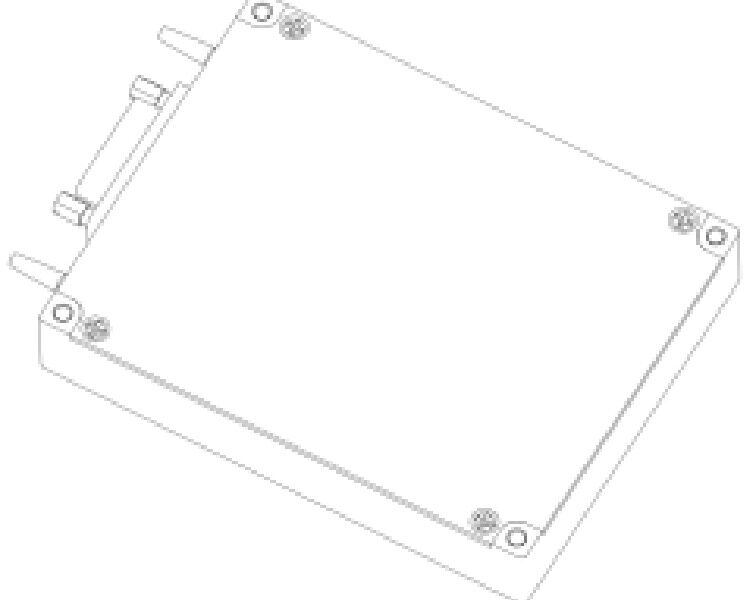
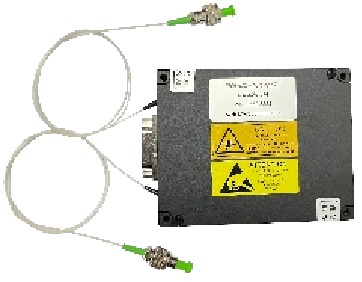
| Low-noise front end | Miniaturised EDFA module | 90 × 70 × 15 mm; FC/APC pigtails; ACC/APC modes |
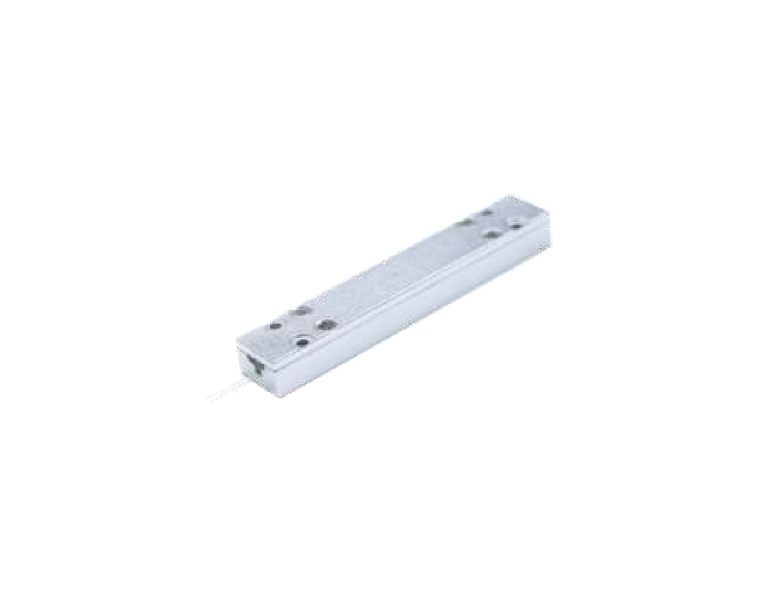
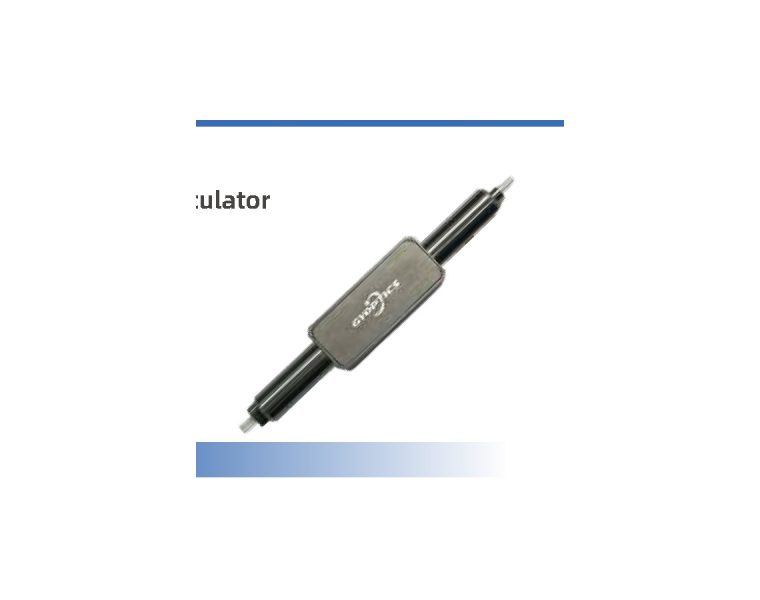
| PM routing | PM isolators, circulators, tap isolators | PM circulator 1550 nm: isolation 45 dB at 23 °C, 35 dB minimum over −40 to +60 °C; PER 20 dB |
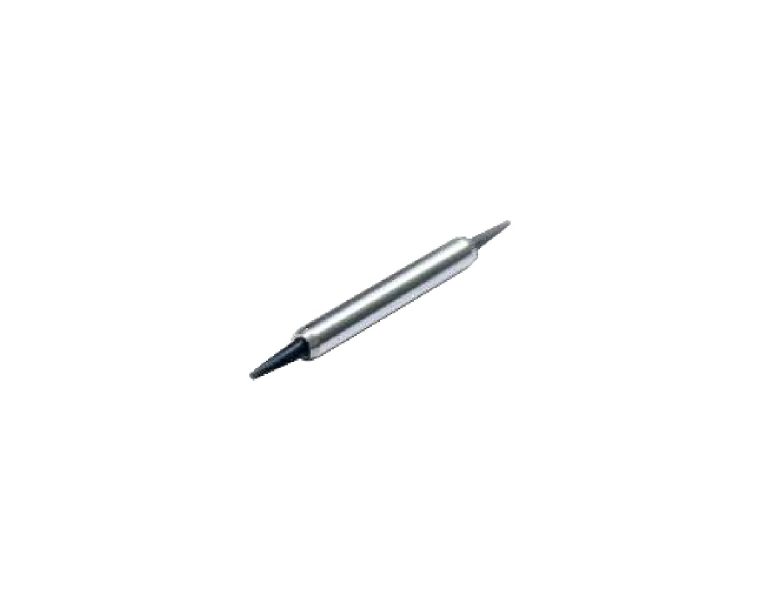
| Wavelength separation | PM filter WDM (1540/1563 nm), PM bandpass filter, PM isolator-filter-WDM | PMIWDM insertion loss 0.8 dB; extinction ratio 20 dB |
| Pump side | (6+1)×1 combiner, MFA + CPS integrated module | Signal insertion loss and pump efficiency quoted per configuration |
What we are, and what we are not
We are a component supplier, not a space-qualified manufacturer. The parts above are supplied to industrial specification with the published figures, and any screening beyond that — thermal vacuum, radiation, lot traceability, derating — has to be quoted as a separate programme with the factory. If a programme requires a qualified part with a qualification report already on file, we will say so at the first conversation rather than at the third.
Common questions
Do you have space-qualified parts?
Not with a qualification report we can hand over today. The components are industrial grade; aerospace screening is a per-order programme through the partner factory. What we can supply now is the published optical specification, batch traceability of the delivered units, and test data on the parameters that matter for the link.
Which parts decide link margin?
For the transmitter, the booster's noise figure and the PM isolator's isolation; for the receiver, the pre-amplifier's noise figure and the circulator's return loss. Those four numbers set the margin before the telescope or the modem is chosen.
Can you support a ground station rather than a terminal?
Yes. Ground stations are usually the easier starting point: the amplifier and routing parts sit in a rack, the environment is controlled, and the quantities are small enough for a sample evaluation.