Industrial fiber lasers run at 1 µm, and almost every failure that is not mechanical starts in the passive chain: an isolator that overheats, a combiner whose splice absorbs more than it should, a QBH connector that degrades after a few thousand hours. The parts are small, but they set the power ceiling of the machine.
Where the passive parts sit in a cutting or welding laser
Pump diodes feed a combiner; the combiner launches light into the gain fiber; the isolator protects the seed from back reflection; a QBH or QCS connector delivers the beam to the cutting head. Each stage has its own thermal budget, and the loss in each one becomes heat within millimetres of the fiber.
| Stage | What we supply | Published figures |
|---|---|---|
| Pump combining | (2+1), (6+1), (18+1), 7×1; PM and non-PM | (6+1): signal IL ≤0.3 dB, pump efficiency ≥98%, 1000 W per port |
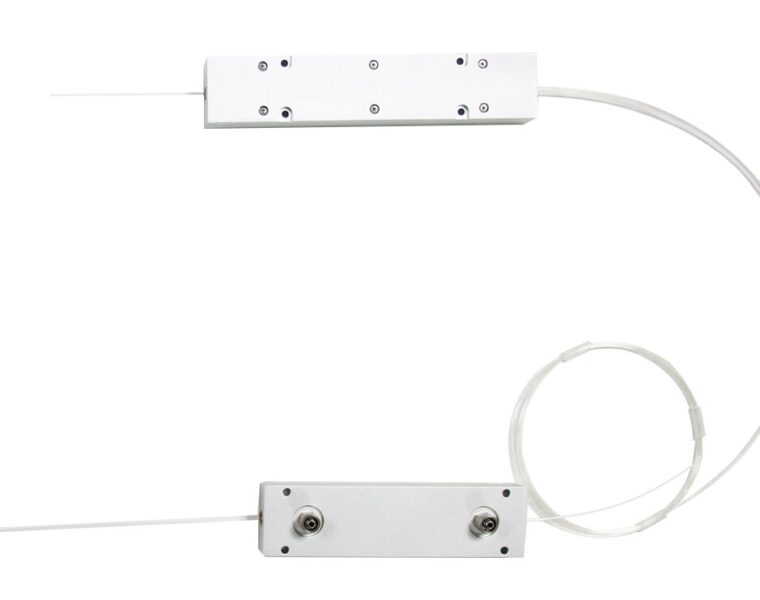
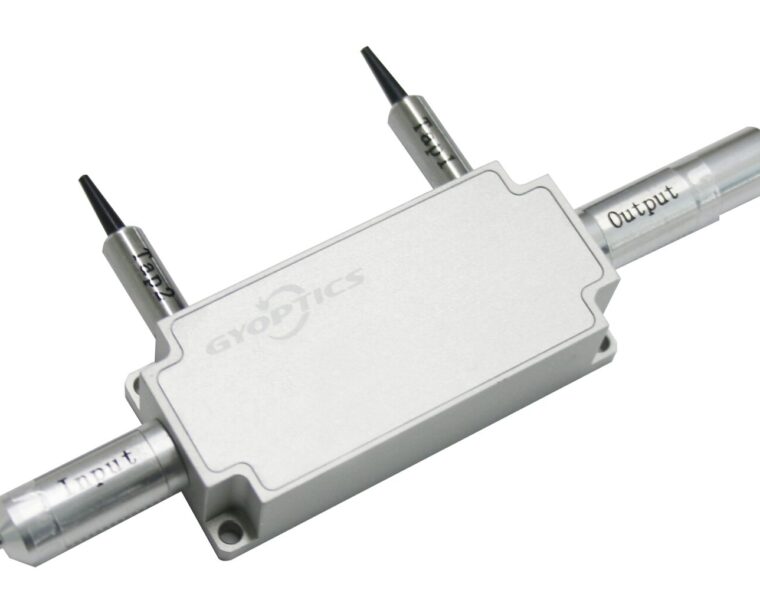
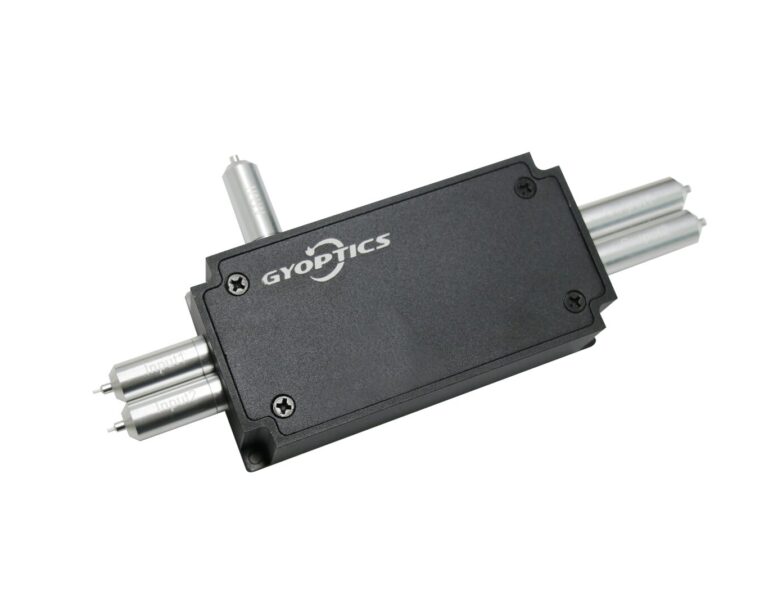
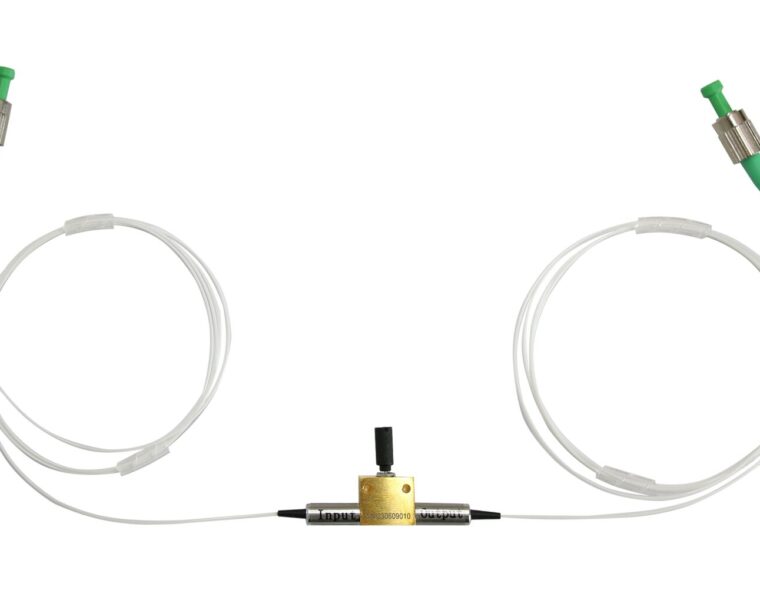
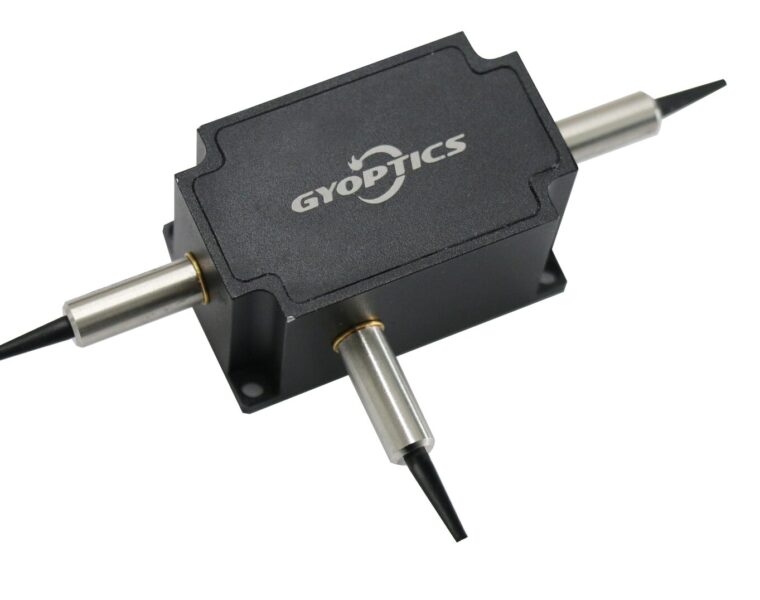
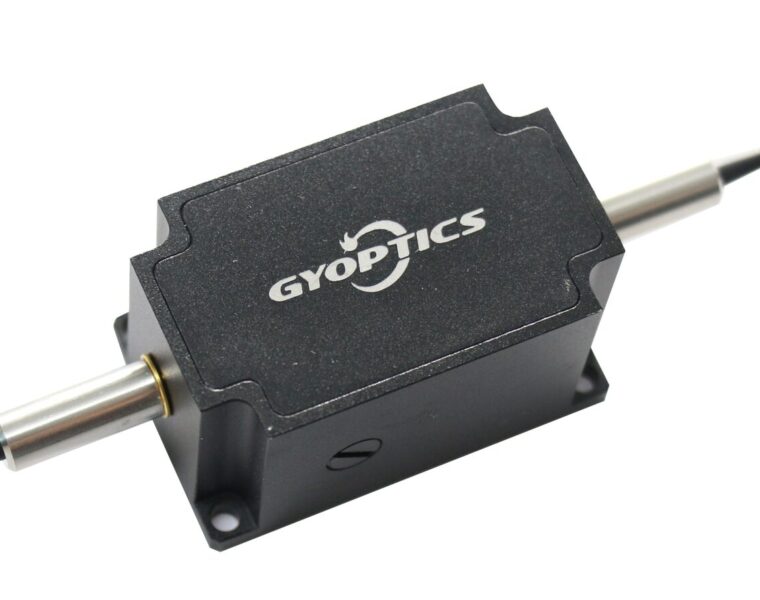
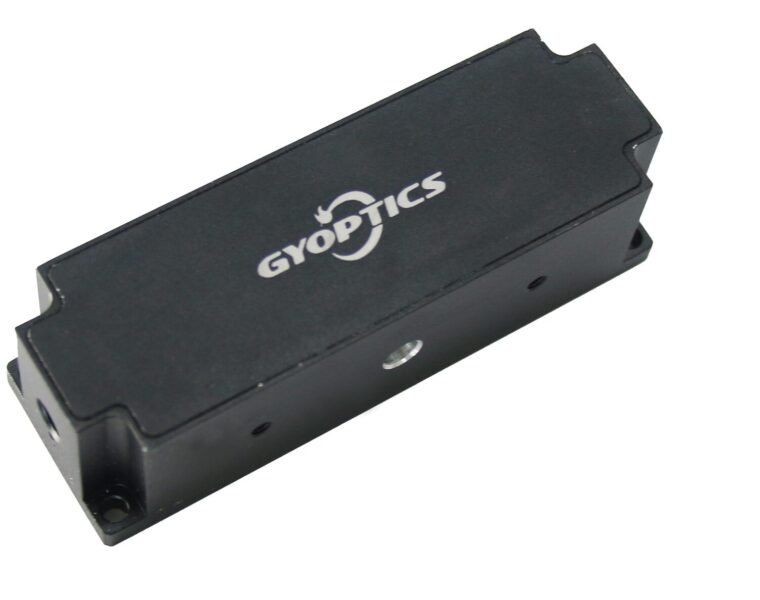
| Isolation | In-line isolators 20 W to 2000 W; collimating isolators 30 W to 1500 W | 70 W collimating isolator: IL ≤0.4 dB, isolation typ. 35 dB / min. 30 dB at 30 °C |
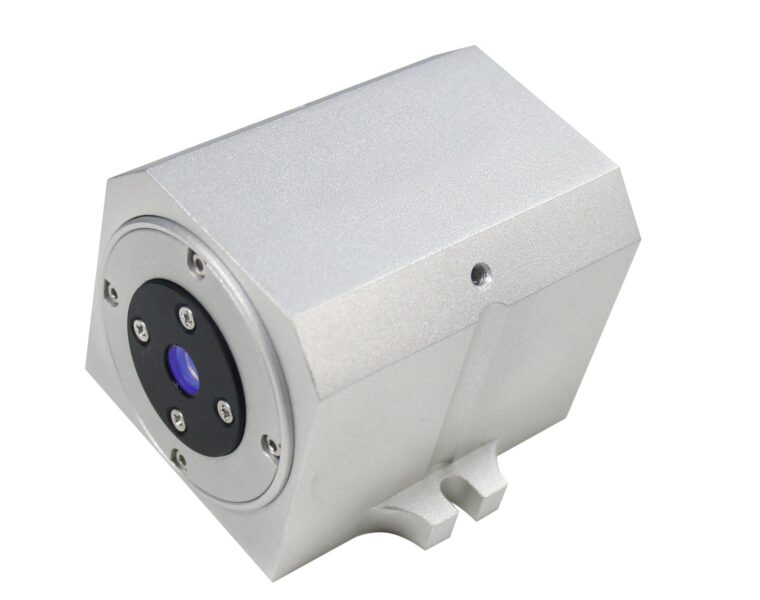
| Beam delivery | Collimators (0.3 dB at 500 W), QCS and QBH connectors | 1000 W collimator: divergence <0.5 mrad, pointing <1.0° |
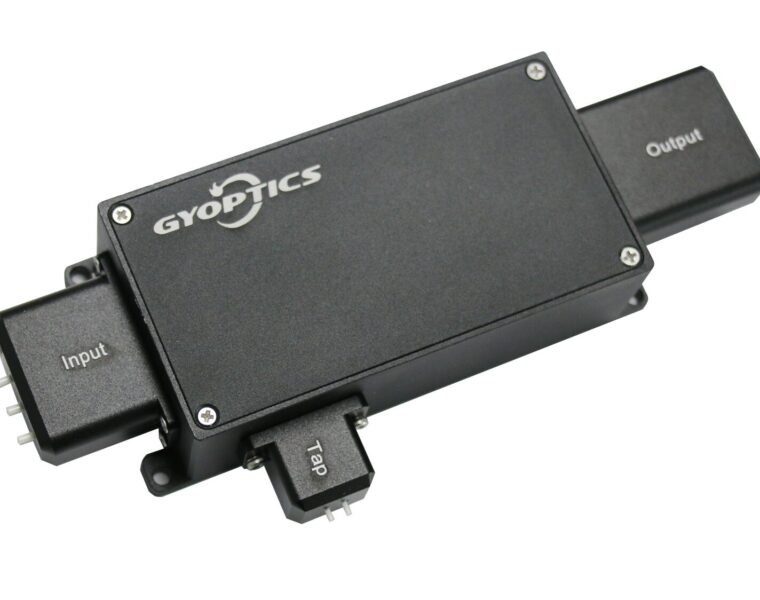
| Polarization | PM isolators, circulators, taps, Faraday rotators | PM circulator 1064 nm, 100 W: IL ≤0.7 dB, isolation ≥25 dB |
What to send us
Wavelength, continuous or pulsed power, pulse width and repetition rate, fiber core and cladding, connector type, and the cooling you already have. With those five answers we can say which stock part fits and where a custom build starts — instead of sending a catalogue.
Common questions
Do you supply parts for machines built around IPG or Raycus sources?
For the passive parts around a source, yes: isolators, combiners, QBH/QCS connectors and collimators are matched by interface and power rather than by source brand. Where a part is proprietary to the source maker, we will say so rather than claim compatibility.
What is the highest power you can support today?
2000 W in-line isolators and 1500 W water-cooled collimating isolators are in the published range; above that, each case is a configuration review. The limiting factor is nearly always heat removal, not the fiber.
Can you quote from a competitor's part number?
Send the datasheet or the interface drawing, not just the part number. Two parts with the same number can differ in fiber, package and cooling, and a quote against the wrong drawing wastes both sides' time.