A 1550 nm Doppler lidar is a pulsed fibre amplifier with a telescope on the end. The measurement quality is set by how cleanly the pulse is launched, how much of the backscattered light returns through the circulator, and how stable the seed stays over temperature — all of which are component problems before they are signal-processing problems.
The chain we supply for a coherent lidar
| Stage | Product | Published figures |
|---|---|---|
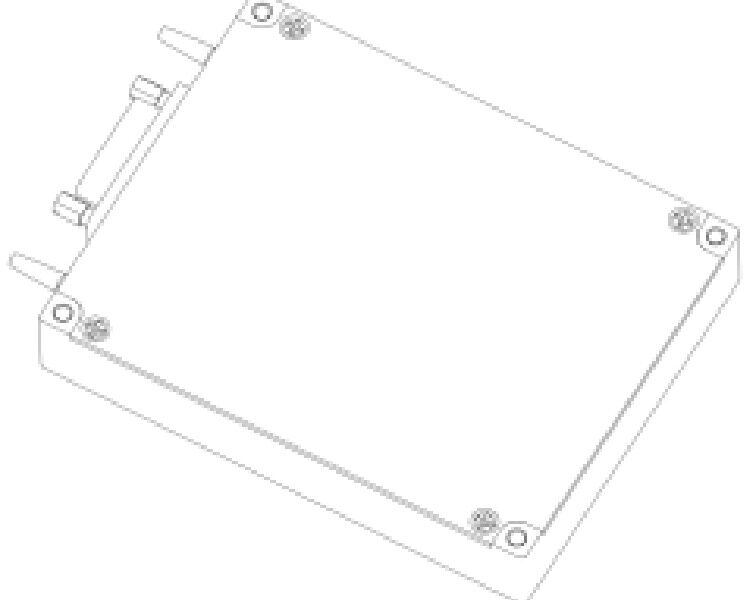
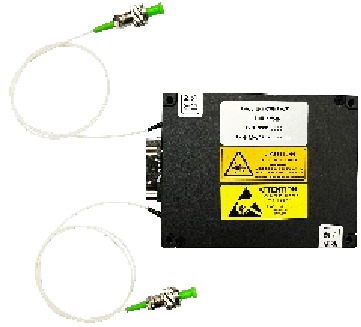
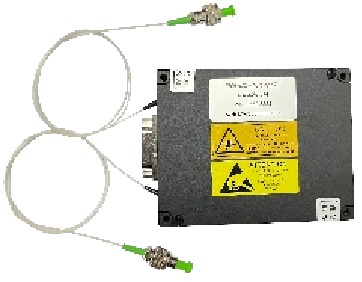
| Pulse amplification | C-band and pulsed EDFA modules | Output +20 to +40 dBm; typical gain 30 dB; noise figure ≤5 dB |
| Routing | PM circulators and isolators at 1550 nm | Isolation 45 dB at 23 °C, 35 dB minimum over −40 to +60 °C; return loss 70 dB |
| Pump combining | (2+1)×1 and (6+1)×1 combiners, PM and non-PM | (2+1) mini: 30 W; (6+1): signal IL ≤0.3 dB, pump efficiency ≥98% |
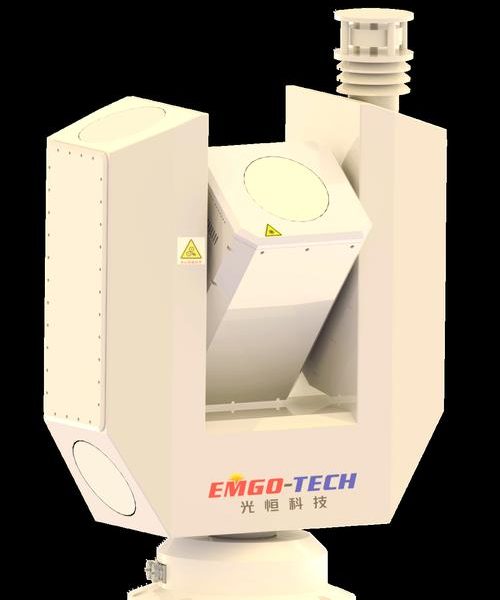
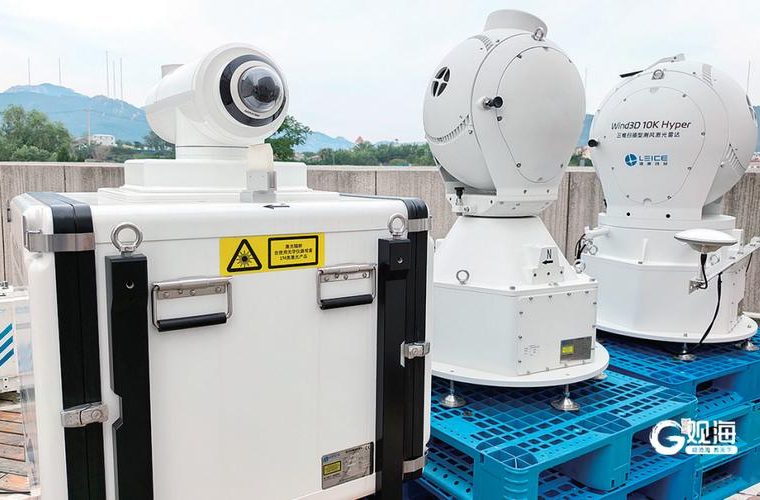
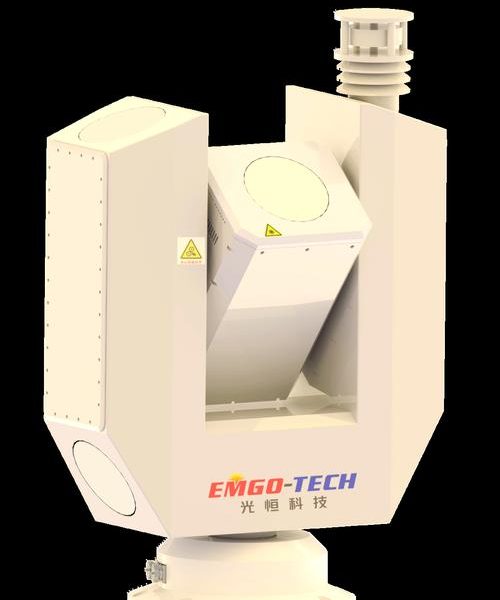
| Complete units | Wind lidar range from the Zhuhai partner factory | 60 m to 12 km depending on model; nacelle, tower, ground-based, 3D scanning and blade-clearance types |
Parts or a complete unit
Both are available, and they are different purchases. If you build the lidar yourself, the amplifier, circulator and combiner are the conversation. If you buy the unit, the question is range, mounting and data interface — our range covers portable 1.5 km and 3 km units, tower and nacelle types, ground-based 3 km, 3D scanning and a 200 m blade-clearance model. The complete units are produced by our partner factory in Zhuhai; we do not claim to be the factory.
Common questions
Is 1550 nm eye-safe?
1550 nm is in the eye-safe band, which is one of the reasons coherent wind lidar uses it: the light is absorbed before it reaches the retina, so higher average power is allowed than at 1 µm. It is still a laser — the classification and the safety documentation come with the unit.
Can you supply only the amplifier, not the whole instrument?
Yes. Amplifier modules, circulators and combiners are sold on their own, and most of our lidar-side customers start there. The unit line matters when a project wants a finished instrument with a service contract behind it.
Which range do I need for wind resource assessment?
For hub-height measurement on a turbine, a 200–400 m vertical unit is usually enough; for a full rotor disc and wake studies, 3 km class. For airport wind shear, the 3D scanning units with sector scanning are what the application actually needs.