An ultrafast fibre laser spends most of its engineering effort on the seed, the stretcher and the compressor — and then loses stability to the parts that carry the light between them. Back reflection from a splice, a polarization axis rotated at one connector, or a combiner that absorbs 0.2 dB more than expected will show up as an unstable spectrum weeks later.
What we supply around an ultrafast chain
| Function | Product | Published figures |
|---|---|---|
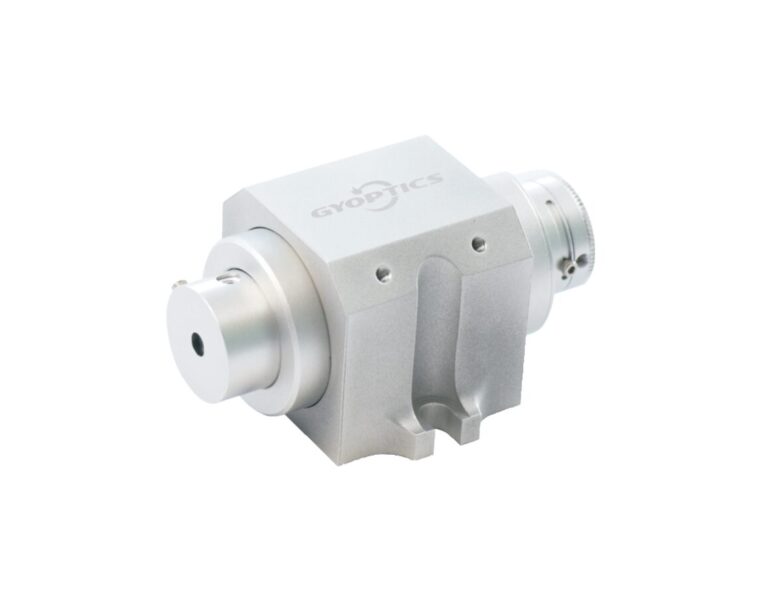
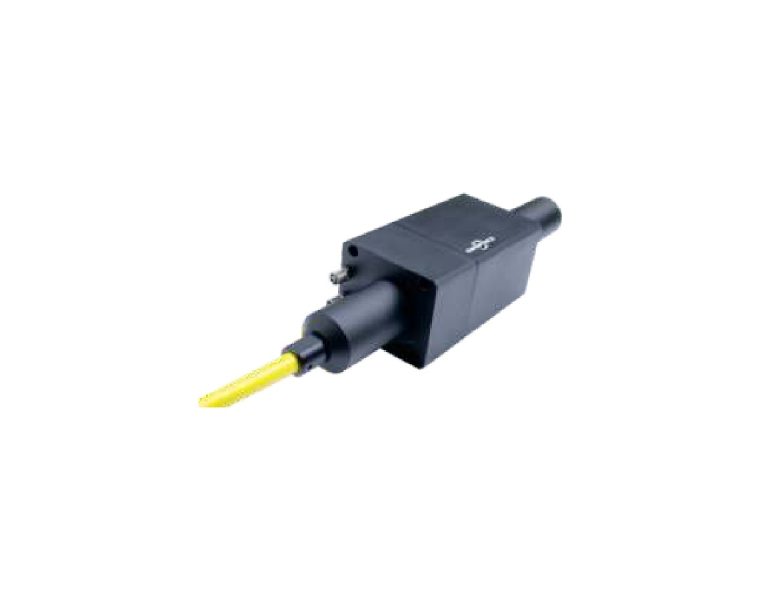
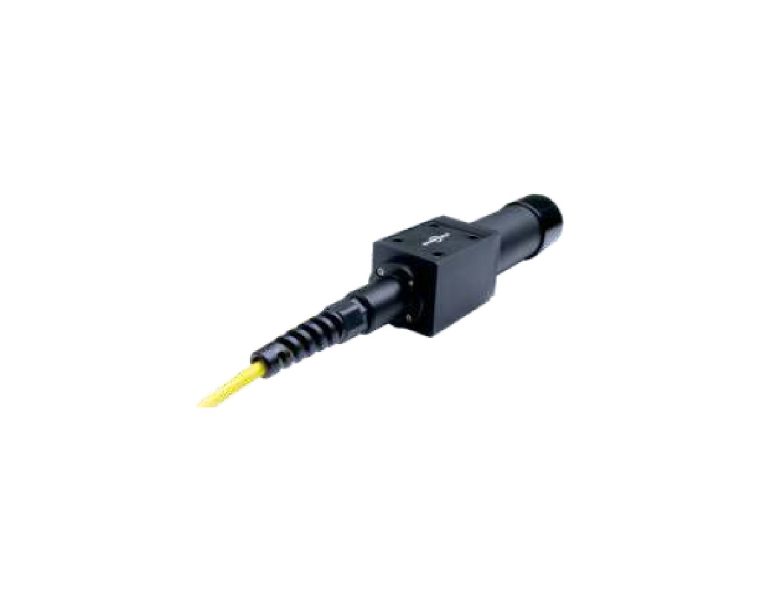
| Fibre isolation | PM isolators 50 W; 2000 W in-line isolators | PM isolator at 1550 nm: insertion loss ≤0.7 / 0.8 dB, isolation typ. 32 / 50 dB |
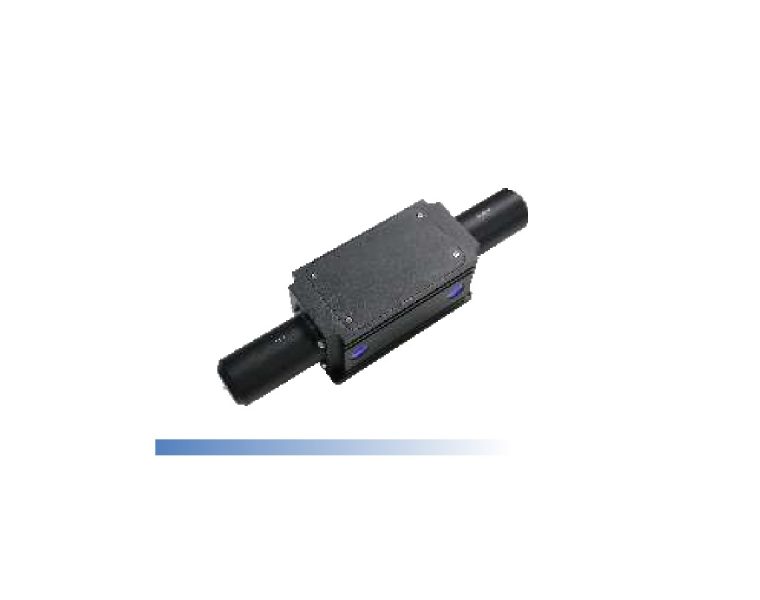
| Free-space isolation | Free-space and fibre-to-free-space isolators at 850, 1030 and 1064 nm, 60 W to 2000 W | Quoted per wavelength and aperture; isolation and loss confirmed per configuration |
| Pump combining | (6+1)×1 PM combiner | Insertion loss ≤0.5 dB, pump efficiency ≥93%, PER ≥20 dB |
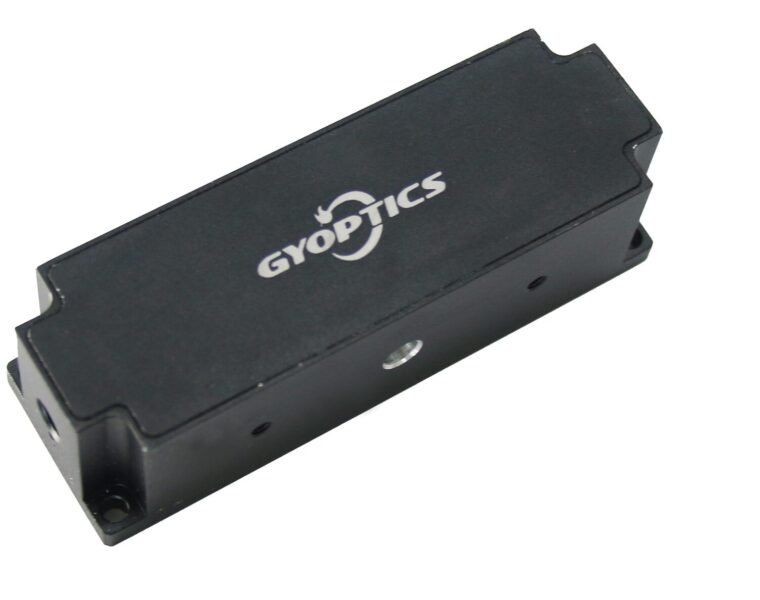
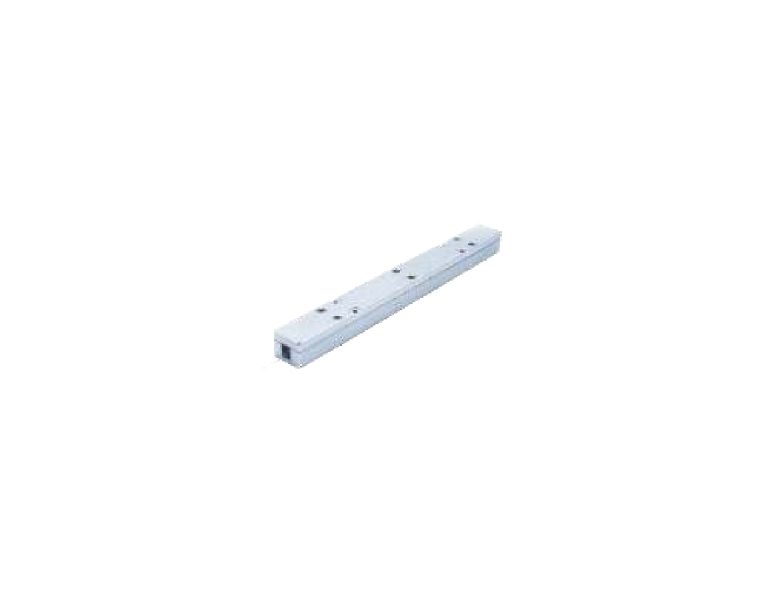
| Mode locking and delay | SESAM modules with manual point switching; motorised variable optical delay line; PM collimator | SESAM absorption and recovery parameters confirmed by the factory per order |
Fibre isolator or free-space isolator
In-line isolators sit inside the fibre path and are rated by power and fibre type; free-space isolators sit after a compressor or before a diagnostic pick-off, where the beam has already left the fibre. Choosing the wrong one is the most common mismatch we see — a 1030 nm free-space part cannot be dropped into a fibre line just because the number looks right.
Common questions
Can the same isolator work at 1030 and 1064 nm?
Sometimes, but the isolation peak and the insertion loss are specified at a centre wavelength with a tolerance of a few tens of nanometres. If your seed drifts or you need both wavelengths, say so in the RFQ — a part specified at 1030 nm should not be assumed to hold its isolation at 1064 nm.
Do you supply PM combiners for the amplifier stage rather than the pump side?
The PM pump combiner combines pump light while preserving the signal's polarization, which is exactly what a PM amplifier stage needs; our (6+1)×1 PM version is published at 0.5 dB signal loss and ≥20 dB PER. The signal-side fibre has to match your gain fibre, so the RFQ needs the fibre type.
Is the SESAM your own product?
The SESAM is sourced through our partner factories, not manufactured by us. Absorption, recovery time and package are confirmed per model before order, and we will not quote a recovery time we have not had confirmed.