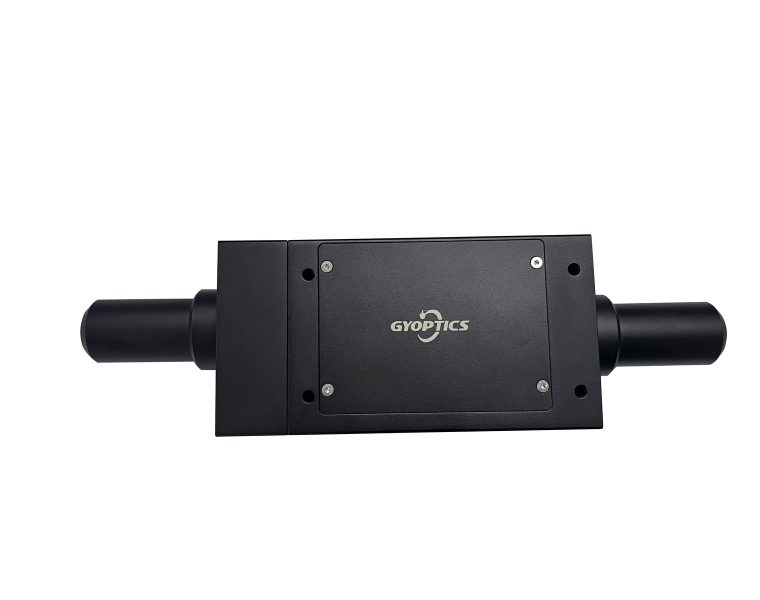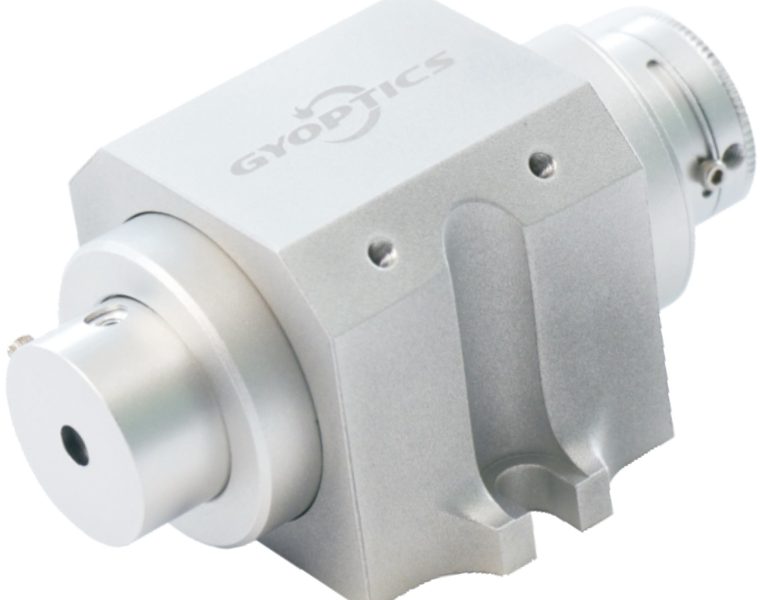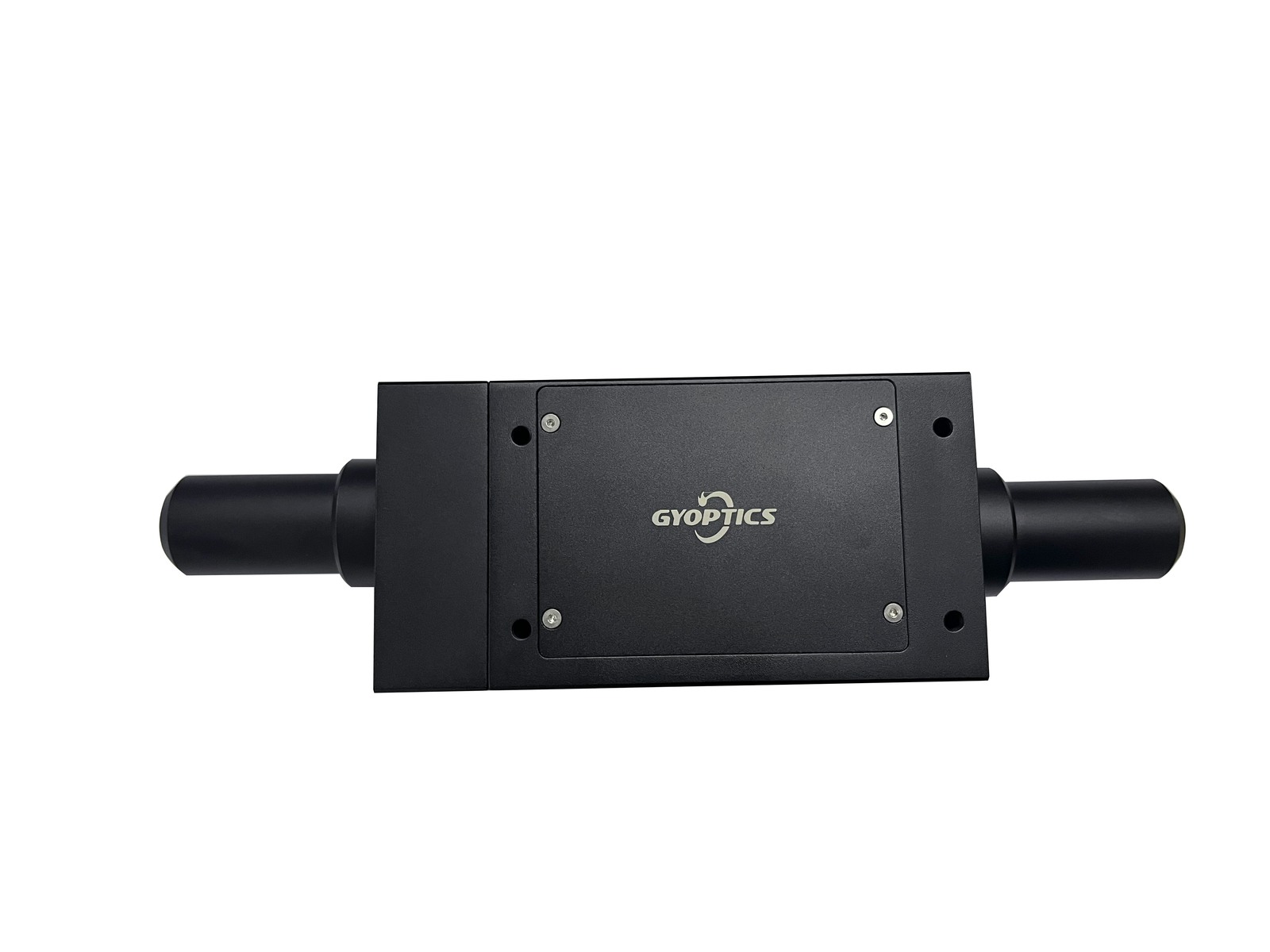
A fiber isolator protects a laser source from damaging back reflections. In industrial systems, the harder question is which isolator will still work after the laser has been running for hours, at full power, with a real fiber and a real package around it. Average wattage is only the first number to check.
What to compare before looking at models
Most selection mistakes happen when one part of the operating envelope is treated as a detail. A 500 W continuous laser and a 500 W pulsed laser can place very different demands on the same optical path. The following details should be fixed before a supplier recommends a model:
- Center wavelength and the required operating range
- Average power, pulse duration and peak power
- Polarization state and whether it must be maintained
- Input and output fiber type, numerical aperture and core size
- Free-space aperture or connector interface
- Cooling method, ambient temperature and mounting direction
- Reverse power the isolator must absorb and for how long
- Drawing, test record and traceability requirements
Two parameters deserve more attention than they usually receive. The first is peak power. A component can have a modest average rating and still fail under short pulses with high peak intensity. The second is polarization. A polarization-maintaining amplifier may need a PM isolator with a defined slow axis and a known extinction ratio, while a free-space cavity may need a different aperture and alignment strategy.
What is changing in the market
Public market estimates differ because reports define the fiber laser market in different ways. One market summary from The Business Research Company estimates the fiber laser market at USD 4.56 billion in 2025 and USD 8.48 billion in 2030, with Asia-Pacific listed as the largest regional market in 2025. A narrower QYResearch forecast puts the high-power fiber laser segment at a lower growth rate. The difference is a useful reminder to check the report scope before using a growth number in a business plan.
The technical direction is easier to see. Laser Focus World reported that IPG Photonics tested a 10 kW single-mode production laser, and the same publication describes kilowatt-class fiber lasers as mature tools for materials processing. Higher output power puts more pressure on every passive component in the cavity and beam-delivery path.
Thermal lensing is one reason. Laser Focus World explains that intense light passing through a Faraday isolator or other optical material can heat the material locally and shift the focus. Its article on high-power optical-system design treats thermal lensing as a system issue, not a minor component detail. Suppliers now address it directly. Agiltron, for example, describes its kilowatt-class fiber-coupled isolator as using thermal-lensing and wavelength-shift compensation.
Integration is another direction. A Nature Photonics paper reported a broadband integrated optical isolator that works without a magnet. That work is still research-stage, but it shows the long-term interest in smaller, integrated isolation. For current industrial purchases, the practical version of this trend is an isolator combined with a collimator, tap, filter or beam-delivery function rather than a standalone part.
Five common requirements and matching Optishine products
The table below is a starting point. Final selection depends on the complete optical and mechanical requirement, including the power rating.
| Application | What the buyer needs to confirm | Suggested starting model |
|---|---|---|
| 20-50 W fiber amplifier or laboratory laser | 1064 nm, compact package, low insertion loss, modest peak power and optional single or double-stage isolation | 20W In-Line Isolator for 20 W average power, or the 50W In-Line Isolator when the system needs more headroom |
| 100-300 W pulsed laser | Peak power, pulse duration, fiber type and whether dual-stage isolation is required | 120W In-Line Isolator or the 300W High Power Isolator |
| 500 W continuous industrial laser | Average power, reverse power, thermal management, fiber compatibility and insertion-loss target | 500W In-Line Isolator |
| 1.5-2 kW processing head or integrated beam-delivery path | Water cooling, beam diameter, thermal drift, package size and output interface | 1500W Collimator Isolator, 2000W In-Line Isolator or 2000W Fiber to Free Space Isolator |
| PM amplifier, sensing laser or narrow-linewidth source | PM fiber type, slow-axis orientation, extinction ratio, average power and temperature range | 50W Polarization Maintaining Isolator |
Three examples show how the choice changes. A 30 W, 1064 nm fiber amplifier used for marking may only need the compact 20 W or 50 W in-line isolator, provided its peak power remains inside the stated limit. A 300 W pulsed system with higher peak intensity should start with the 300 W model, where the published maximum insertion loss is 0.7 dB and the minimum isolation is 28 dB at 1064 nm. A 2 kW continuous processing head needs a different conversation: water cooling, thermal focal shift, beam diameter and the drawing for the processing head matter more than the headline wattage.
What to put in an RFQ
A useful RFQ is short, but it should include enough system detail for the supplier to reject the wrong model before quotation. Send the following:
- Center wavelength and operating range
- Average power, pulse width and peak power
- Input and output fiber type, core size and numerical aperture
- Polarization requirement and axis orientation
- Number and type of connectors, if any
- Package limits, cooling method and mounting orientation
- Ambient temperature and expected reverse power
- Required documents, test data and traceability level
- Prototype quantity, annual volume and target delivery date
If the requirement is not settled, send the system details rather than a guessed model number. Optishine can compare the isolator product family and fiber collimator range, then confirm the drawing and configuration before quotation.
Sources and further reading
- Laser Focus World: Careful optical-system design enables high-power laser applications
- Laser Focus World: Kilowatt-level fiber lasers mature
- Laser Focus World: IPG reports a 10 kW single-mode production laser
- Agiltron: Ultra-high-power fiber-coupled isolator
- Nature Photonics: Integrated optical isolators for broadband multi-laser operation
- The Business Research Company: Fiber lasers market report
- QYResearch: Global high-power fiber laser market