Low-altitude operations — drones, eVTOL, cargo routes — need the same three answers a pilot needs: what is the wind doing, how far can I see, and is there a thunderstorm building. At 100 to 1000 m those answers come from remote sensing, not from a surface weather station.
What a low-altitude site usually needs
| Need | Instrument | Range / output |
|---|---|---|
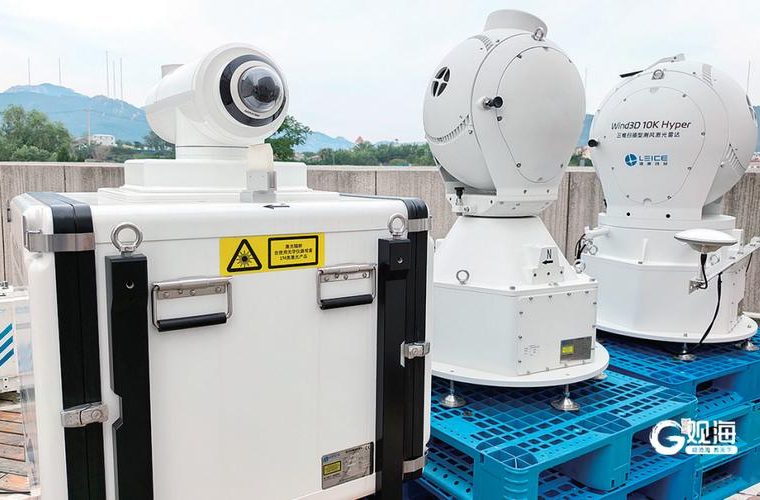
| Wind profile at flight altitude | Vertical Wind LiDAR 400 m / 1000 m; Portable LiDAR HS1-1500 | 400 m, 1000 m, 1.5 km |
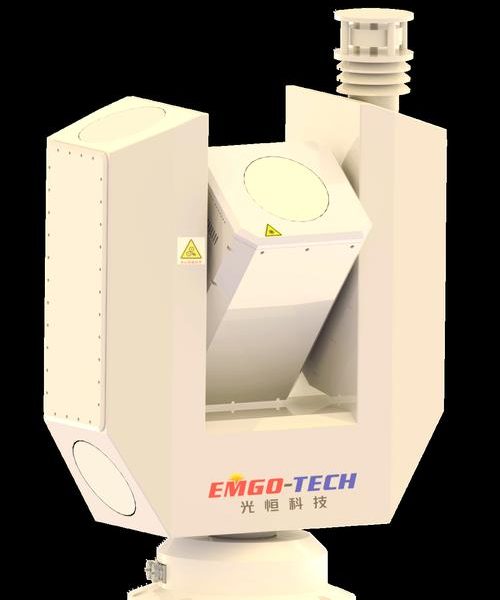
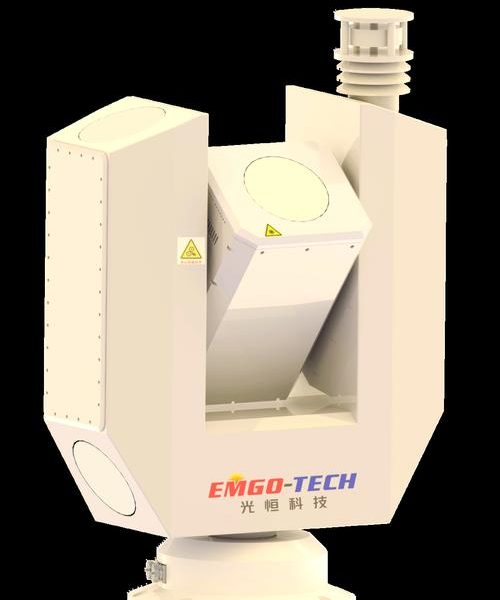
| 3D flow around buildings and corridors | 3D Scanning Wind LiDAR H3D series | 3 km vertical / 12 km horizontal |
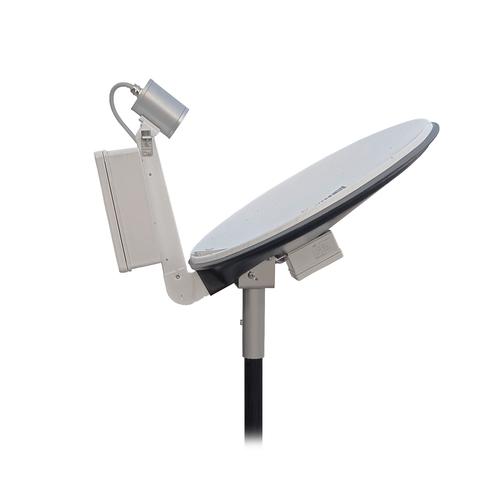
| Visibility | Forward-Scatter Visibility Sensor | MOR for approach and corridor planning |
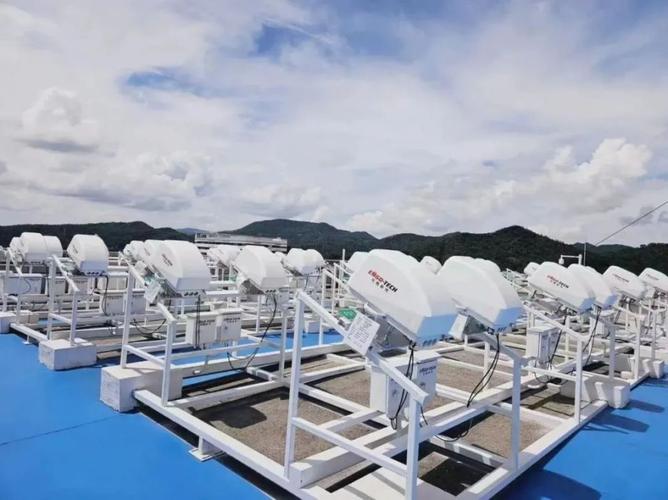
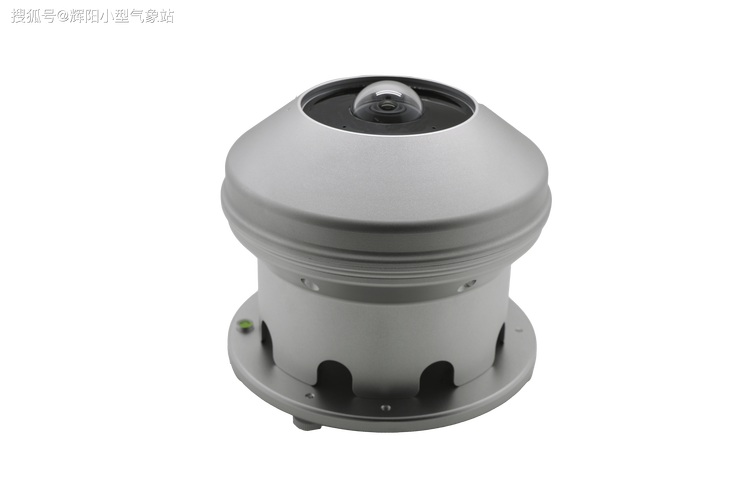
| Cloud base and sky condition | All-Sky Imager | Continuous sky imagery |
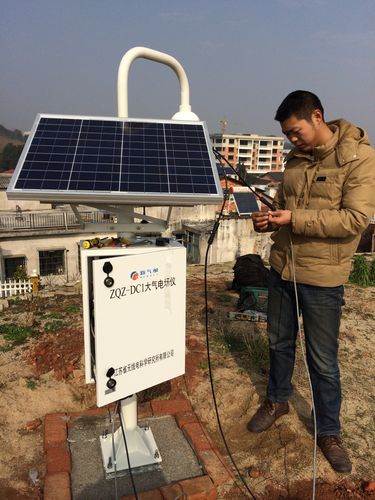
| Thunderstorm risk | Atmospheric Electric Field Mill | Electrostatic field trend |
| Precipitation and site weather | Micro Rain Radar; Automatic Weather Observation Station | Rain profile; wind, temperature, humidity, pressure |
How a deployment usually starts
Most operators start with one wind unit and one visibility sensor at a single vertiport or corridor, run it for a season, and only then decide whether the full suite (sky imager, field mill, rain radar) earns its place. That sequence is cheaper than buying the whole station first, and it produces the data a regulator or insurer will actually ask for.
The instruments are built by our partner factory in Zhuhai; we handle selection, export documents and after-sales. The site integration — power, mast, communications, data platform — is either yours or a local integrator's, and we will say which parts we can and cannot take responsibility for.
Common questions
What is the minimum viable setup?
One vertical wind lidar plus one visibility sensor covers the two parameters that most often stop a flight: wind shear and low visibility. Everything else is an improvement on those two.
Can the data feed a traffic management platform?
The units output over a network interface; the message format is agreed at order stage. If the platform expects a specific protocol, that requirement should come into the conversation before the order rather than after.
How long does deployment take?
The instruments arrive assembled and calibrated; site works dominate the timeline. A single-unit site is usually days of installation, not weeks, once power and communications exist.