A research team at Tohoku University, working with Kyocera, has demonstrated something the silicon photonics industry has chased for two decades: an optical isolator grown directly on a silicon photonics chip. The results were published in IEEE Access.
The hard part has never been the isolator itself. It is the material. Ce:YIG, the magneto-optical film that produces Faraday rotation, only becomes useful after annealing at roughly 600–800 °C — a temperature that destroys the copper and aluminium interconnects already sitting on a silicon photonic wafer. The industry has therefore kept bonding discrete isolators onto chips instead of building them in.
The team’s answer is to heat only the isolator: a 915 nm laser, focused to a 700 µm spot, crystallises a Ce:YIG film deposited in a microgroove, while the rest of the chip stays near 250 °C.
- 13.6 dB isolation at 1540 nm — enough to prove the effect, not enough for a link
- 20.4 dB forward insertion loss — the number that keeps this out of production
- 0.092 °/µm Faraday rotation, roughly 9× earlier laser-annealed films
Twenty decibels of insertion loss is not a detail. It means most of the signal is gone before it leaves the isolator. Until that comes down, and until the magnetic bias is integrated rather than supplied by an external SmCo magnet, on-chip isolation stays a research result.
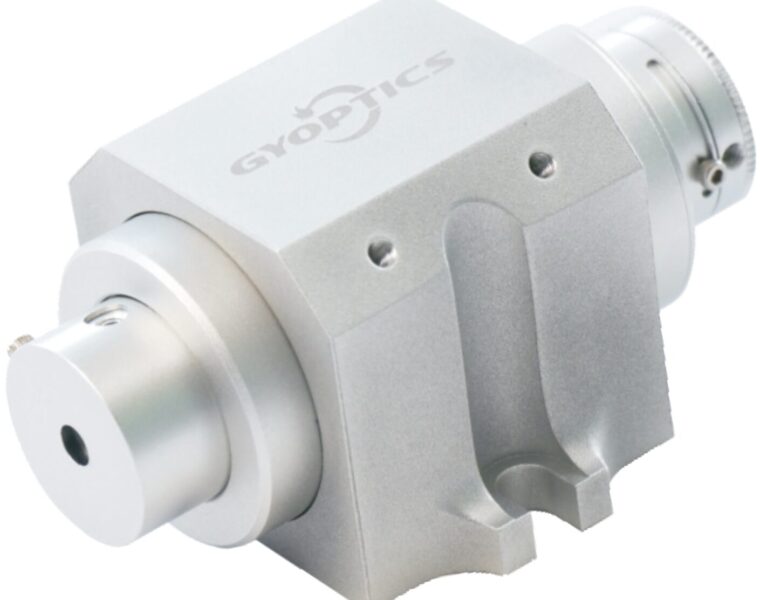
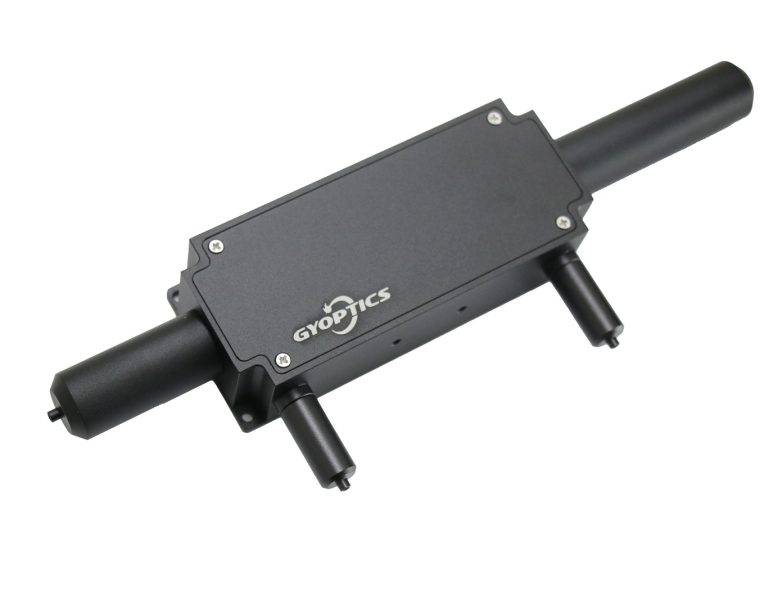
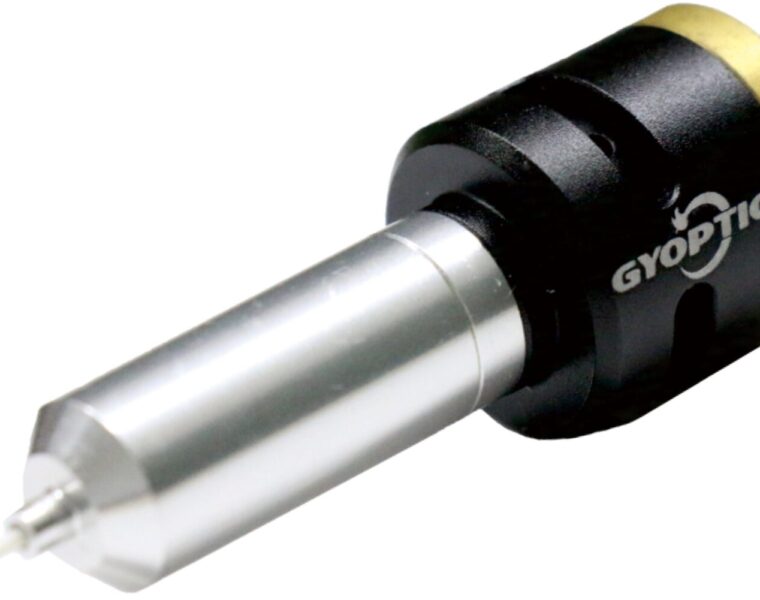
The practical view from where we sit: every high-power laser shipped this year still needs a discrete isolator — free-space or in-line, single or dual stage, with real power handling and a housing that survives the thermal cycle. That is the component we build, from 20 W to 1500 W in-line and 30 W to 2000 W collimating.
When on-chip isolators do arrive, they will first land in co-packaged optics inside data centres, where the power budget is measured in milliwatts. A 2 kW fibre laser will be using a discrete isolator for a long time yet.
Source: Laserfair.com — Optical Isolator Breakthrough: Laser Annealing Unlocks Silicon Photonics (originally SemiInsights, 23 September 2026).