Three projects worth a combined RMB 6B+ were signed in Jiangsu within a few weeks, and they sit at three different points in the laser supply chain.
- Taicang — Bright Laser Technologies, about RMB 1B, a metal additive manufacturing base for East China.
- Xuyi, Huai’an — a single-frequency fibre laser and optical module plant, 1.5 million units a year at full capacity, from a team with two decades in single-frequency fibre laser materials and devices.
- Changzhou — Vertilite, about RMB 5B, indium phosphide laser chips for AI optical communications, automotive lidar and 3D sensing.
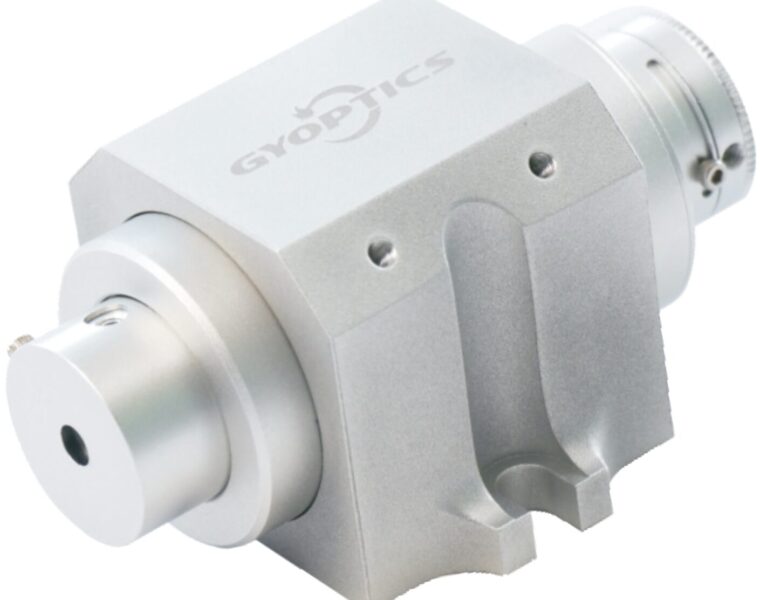
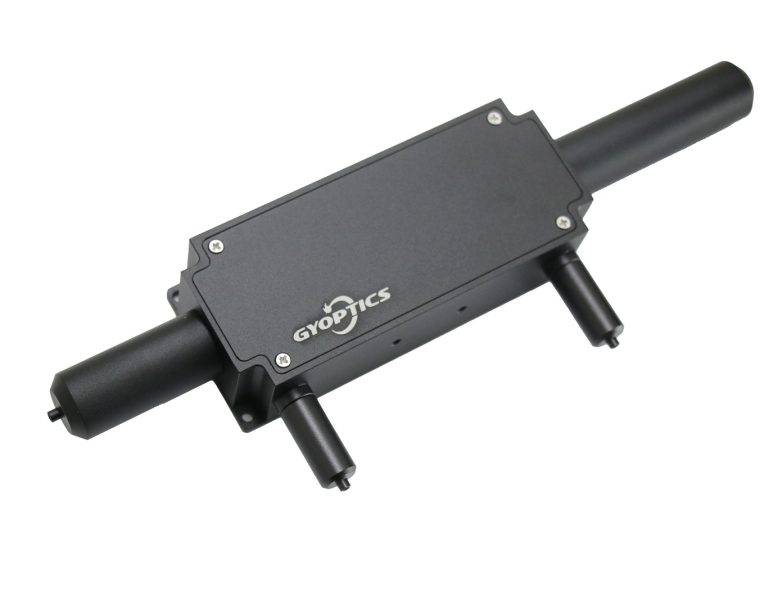
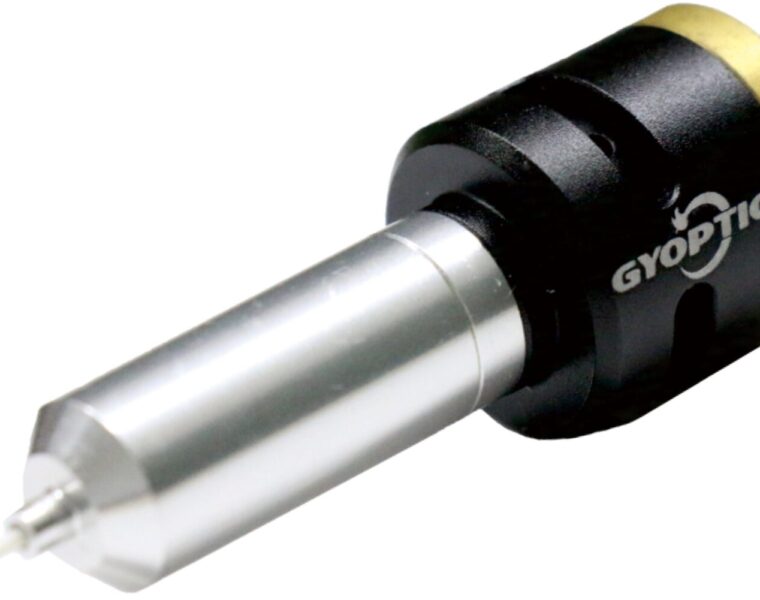
The middle project is the one to watch if you buy optics. Single-frequency fibre lasers are built from exactly the parts that decide whether a source is stable: narrow-linewidth gain fibre, FBGs written to a fraction of a nanometre, isolators with low polarisation-dependent loss, and pump combiners that do not shift the spectrum when they heat up.
- 1.5 million units a year is a component demand curve, not a single order
- Single-frequency designs are less tolerant of cheap passives than multimode kilowatt sources
- Domestic substitution pushes buyers toward Chinese suppliers with documentation, not the cheapest quote
More domestic capacity also changes the buying conversation. When the source builder is Chinese and the end customer is overseas, the component supplier is expected to provide the export paperwork, the test data and a named contact for after-sales — not just a price per piece.
Source: Laserfair.com — RMB 6B+ Investment Adds New Player to Jiangsu’s Laser Industry Landscape (23 October 2026).