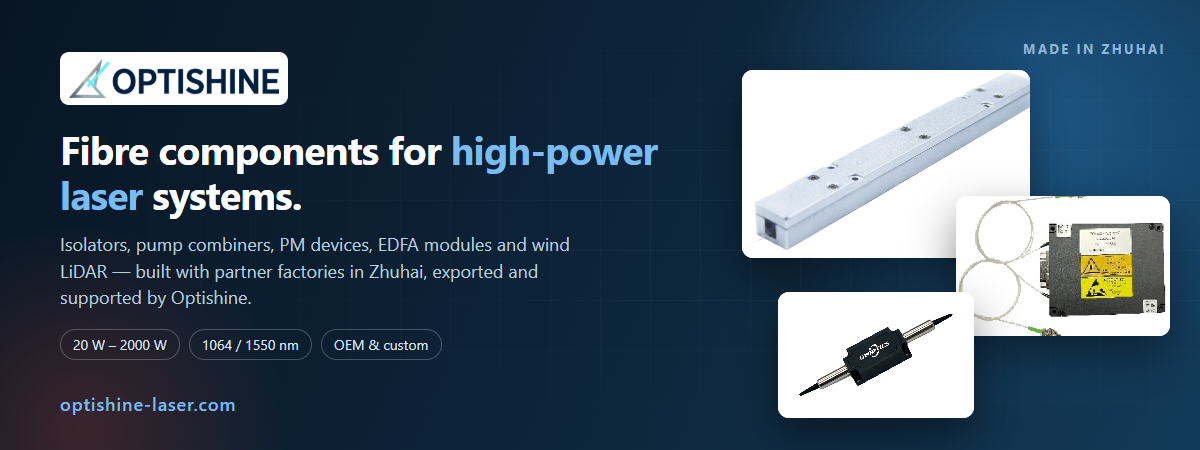
The homepage of laserfair.com — Laser Manufacture News — is carrying our banner this month. For anyone who arrives here from it, this note explains what the banner says and what we actually do.
One sentence, on purpose
Fibre components for high-power laser systems — built with partner factories in Zhuhai, exported and supported by Optishine.
It is deliberately short. The first question most buyers ask now is not “what is your catalogue” but “who is behind the shipment” — and the honest answer is the one that belongs in a banner.
What we supply
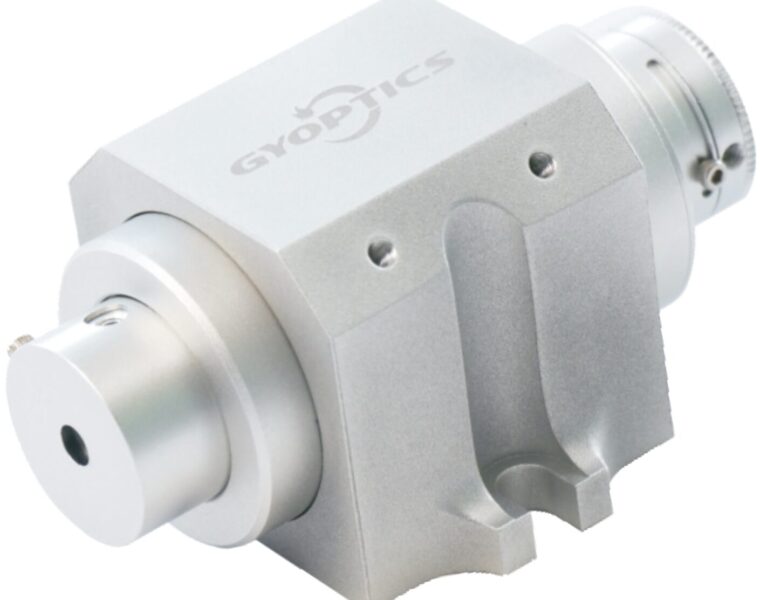
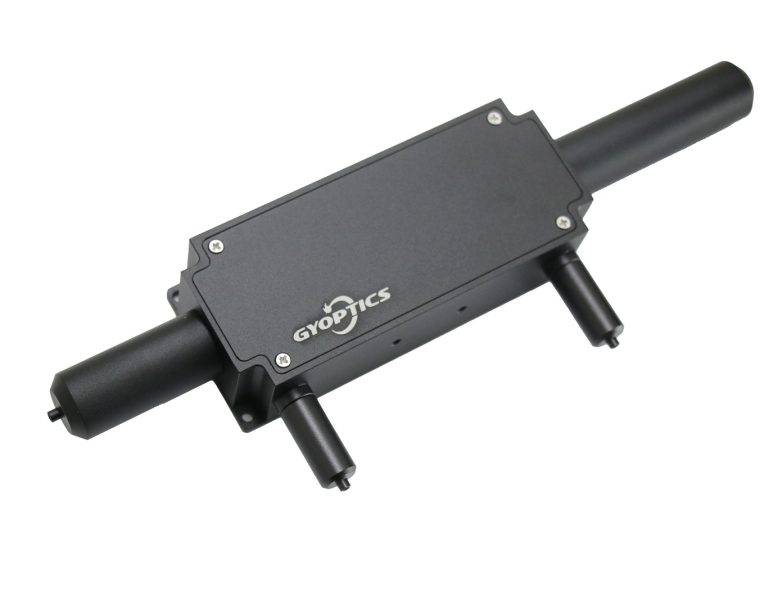
- In-line isolators from 20 W to 1,500 W; collimating isolators from 30 W to 1,000 W
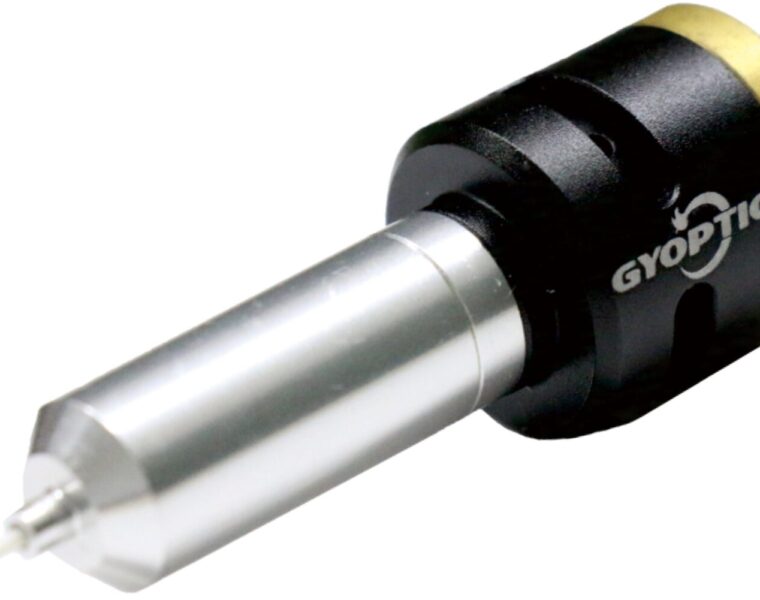
- Pump combiners in (2+1), (6+1), (18+1) and 7×1 configurations
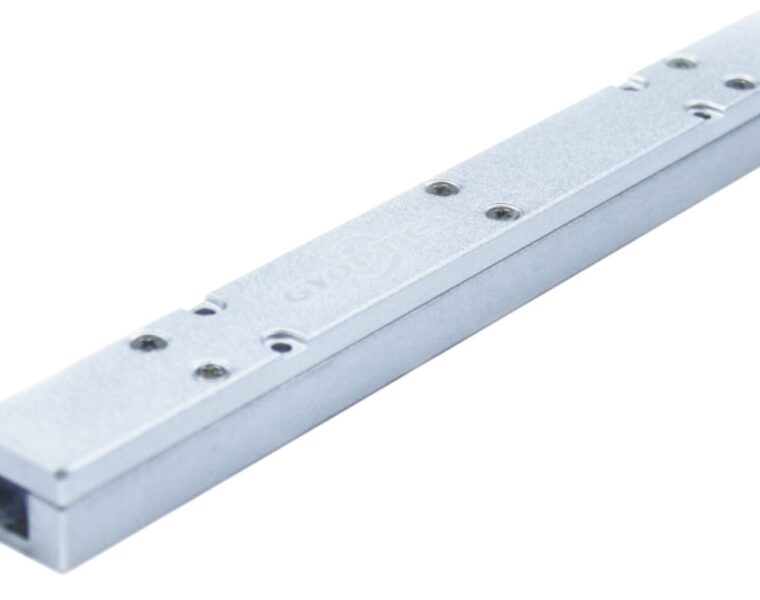
- Polarisation-maintaining devices, FBGs, mode-field adapters and cladding power strippers
- EDFA modules, and 1550 nm and 1064 nm sources
- Coherent wind lidar systems for wind resource and aviation applications
1064 nm and 1550 nm are the standard wavelengths; custom specification and packaging are routine rather than exceptional.
What we do not do
We do not manufacture. The components are made by partner factories in Zhuhai. Our work is the part between a drawing and a delivery: matching a specification to the factory that can actually hold it, preparing the export documents, and staying reachable after the goods arrive.
That distinction matters when a part fails. A trading company forwards the complaint; a supply-chain partner is expected to answer it.
Where to start
If you build laser systems or amplifiers and you are looking for a second source, the useful starting point is a specification rather than a catalogue: wavelength, power, fibre type, package and quantity. There is a short form at Request a quote, or you can write to us directly.
For the technical side of pump combiners — including the splice questions that decide whether a combiner survives — the datasheet guide is a more useful read than a product page.